Animal care & wellbeing:
Moving to data-driven & data-informed practices
21st - 23rd of October 2026
A 2.5-day hands-on workshop for animal care professionals, researchers, and managers to strengthen behaviour monitoring, welfare assessment, in-house research capacity, and organisational alignment. There are also several slots to present your research.
Register for the workshopWhy this workshop
Across zoos and aquariums, countless decisions are made daily to support animal wellbeing. Yet much of the deep knowledge held by keepers, caregivers, and curators remains undocumented, unanalysed, and unpublished.
This workshop brings together practitioners and researchers to strengthen the bridge between daily experience and scientific evidence. Participants will learn robust, practical, and scalable tools to observe, measure, evaluate, and communicate welfare outcomes — supporting better care for animals and better alignment within organisations.
Transform the way you observe, interpret, and improve animal wellbeing.
Join researchers, care staff, and leaders from zoos, aquariums, and sanctuaries to explore how evidence-based husbandry and management can elevate everyday practice.
This workshop is a collaboration between Sabrina Brando & Odense Zoo.

Register & submit your abstract & present your research
There are a few slots on the program especially for you, to present the research in progress, or completed projects. Sign up for the waiting list to learn when abstract submission opens!
What we will explore
Over 2.5 interactive days, we will:
-
Science-based presentations
-
Practical behaviour monitoring methods
-
Species-specific welfare assessment tools
-
How to design achievable in-house research
-
Strategies to overcome organisational barriers
-
A systems approach to building research-positive cultures

What you can expect
-
A practical, hands-on learning environment grounded in real zoo and aquarium experience
-
A balanced mix of lectures, case studies, discussion, and applied exercises
-
Clear explanations of behavioural monitoring and welfare assessment methods
-
Honest conversations about organisational barriers — and how to navigate them together
-
Structured collaboration between animal care staff, curators, researchers, and managers
-
Space to examine how daily practice, research, and leadership decisions intersect
-
Concrete tools you can implement in your organisation
“Everything we learn from animals in zoological settings can help us to better provide and take care of animals in the wild.” Dr Kirstin Anderson Hansen
Your workshop experience
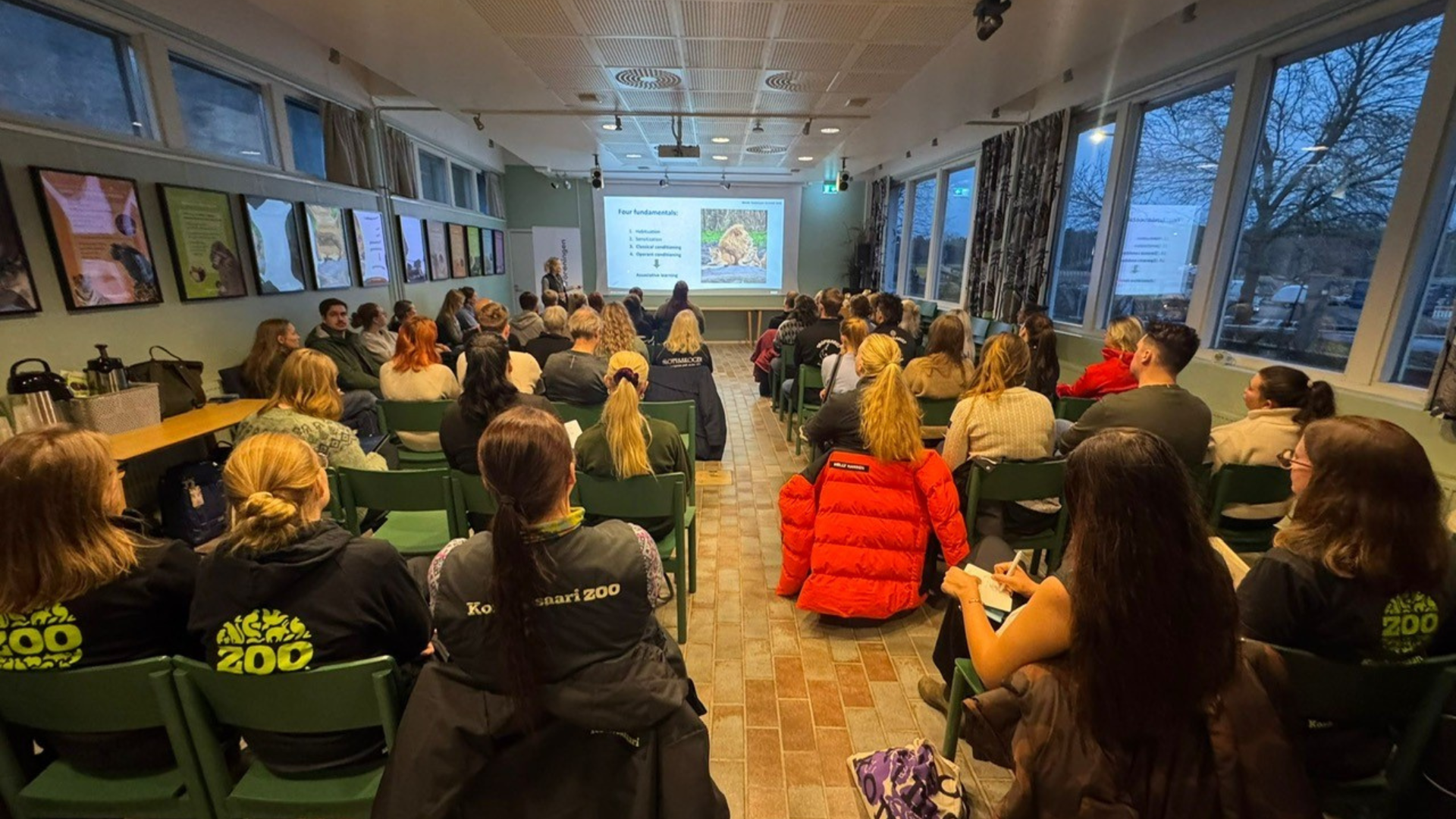
Over two and a half days, you’ll move between theory and practice — from understanding sampling methods and welfare indicators to designing small, achievable research projects relevant to your own setting.
A central focus of this workshop is collaboration across roles. Animal care staff bring deep practical knowledge. Curators and managers shape priorities and resources. Researchers contribute methodological rigour. When these perspectives work together rather than in parallel, welfare outcomes strengthen.
Through guided group work and discussion, you will explore how communication, shared goals, and aligned decision-making support better care. This is not about adding more work — it is about integrating research and practice in ways that are realistic, efficient, and meaningful.
You will leave with:
- Practical observation and assessment tools
- Greater confidence in contributing to or leading in-house research
- Insight into how different roles influence welfare outcomes
- Strategies for strengthening collaboration within your organisation
- A network of peers committed to advancing animal wellbeing through evidence and shared responsibility







Workshop details
- Dates: 21st - 23rd of October 2026
- Format: In person
- Language: English
- Location: The workshop is hosted by and takes place at the Odense Zoo
Søndre Boulevard 306
5000 Odense in Denmark - How to get there:
You can get to Odense Zoo by car, or combination of train, bus, taxi, and plane. More information can be found here.
We encourage car and public transport. The closest airport is Copenhagen or Billund.
- Included:
- Tea & coffee
- 60-minute webinar prior to the event
- All available resources & handouts
- 90-minute follow-up webinar to check in & help with next steps/questions
- Please note: Lunch is not included. You are welcome to bring your own to eat outdoors/while exploring the Zoo, or purchase lunch to eat in 1 of the 2 restaurants on the Zoo's premises, or while exploring the Zoo in the break.
Who is this workshop for?
This workshop is designed for animal care professionals, curators and managers, welfare officers, sanctuary staff, veterinarians, researchers and students, ceos, and anyone involved in animal wellbeing. It’s suitable for both early-career staff and experienced professionals looking to deepen their practice.
Anyone committed to advancing data-driven and data-informed practices in zoos and aquariums is welcome!
This workshop is built to encourage cross-disciplinary conversation and practical collaboration.

The workshop program
This 2.5-day workshop on evidence-based husbandry and data-informed animal wellbeing blends practical skills, structured learning, collaborative discussion, and real-world application.
Here’s a snapshot of what we’ll explore together:
📊 Foundations of behaviour monitoring & welfare assessment
Understanding sampling methods, indicators, and how to move from observation to meaningful data.
🐝 Designing achievable in-house research
How to turn daily questions into small, structured projects that strengthen care and credibility.
🦁 Species-specific welfare in practice
Building and adapting tools that fit your animals, context, and organisational realities.
🔄 Organisations as ecosystems
Exploring how animal care staff, curators, researchers, and leaders can align systems, culture, and goals to support evidence-based practice.
🤝 Collaboration across roles
Working together across departments to strengthen communication, shared responsibility, and implementation.
📚 Integration & take-home resources
Templates, frameworks, and practical tools to apply immediately within your organisation.
🐙 Reflection & renewal: space to review and strengthen your current animal care, welfare, and research practices
🌍 Connection & sharing: learn with peers across roles, institutions, and countries
📖 Integration & resources: practical templates and tools to embed data-informed practices long-term
You will also have the opportunity to work through real examples and case discussions, ensuring the learning is grounded, applicable, and relevant.
Kirstin Anderson Hansen PhD
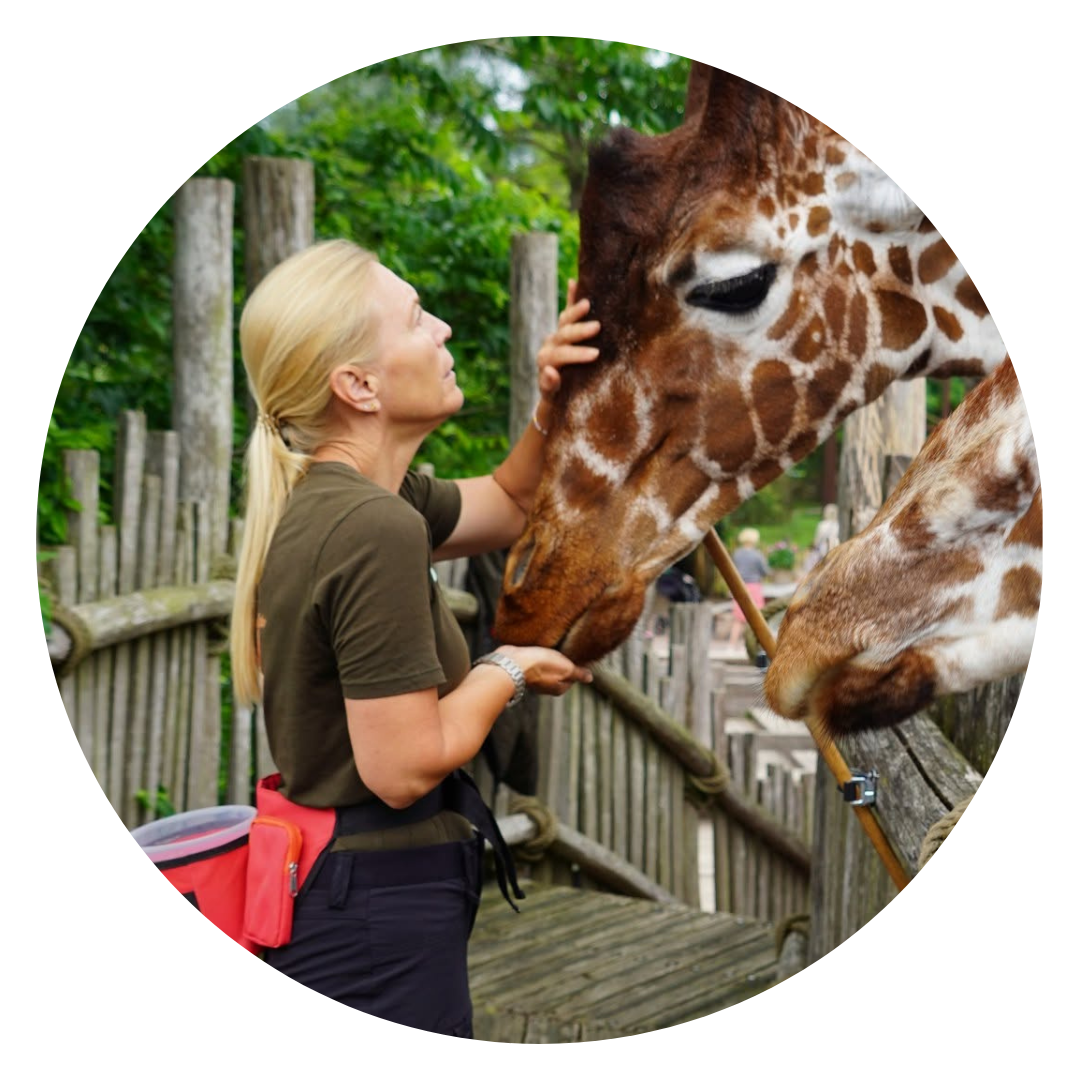
Kirstin began her career in research and animal training in 1989 at the University of California’s Long Marine Laboratory in Santa Cruz, where she continued as a trainer at Shedd Aquarium in Chicago. In 1998, she moved to Denmark to help develop the animal training and research program at Fjord&Bælt. From 2003 – 2013, she was the assistant curator and later the zoological curator at Odense Zoo, where she co-founded the Animal Training and Behavior Courses for DAZA and EAZA. After completing her PhD in bioacoustics and behavior in 2017, she became head of training and research at University of Southern Denmark’s marine research institute/Fjord&Bælt. She is currently the research and animal welfare manager at Odense ZOO.
Sabrina Brando PhD
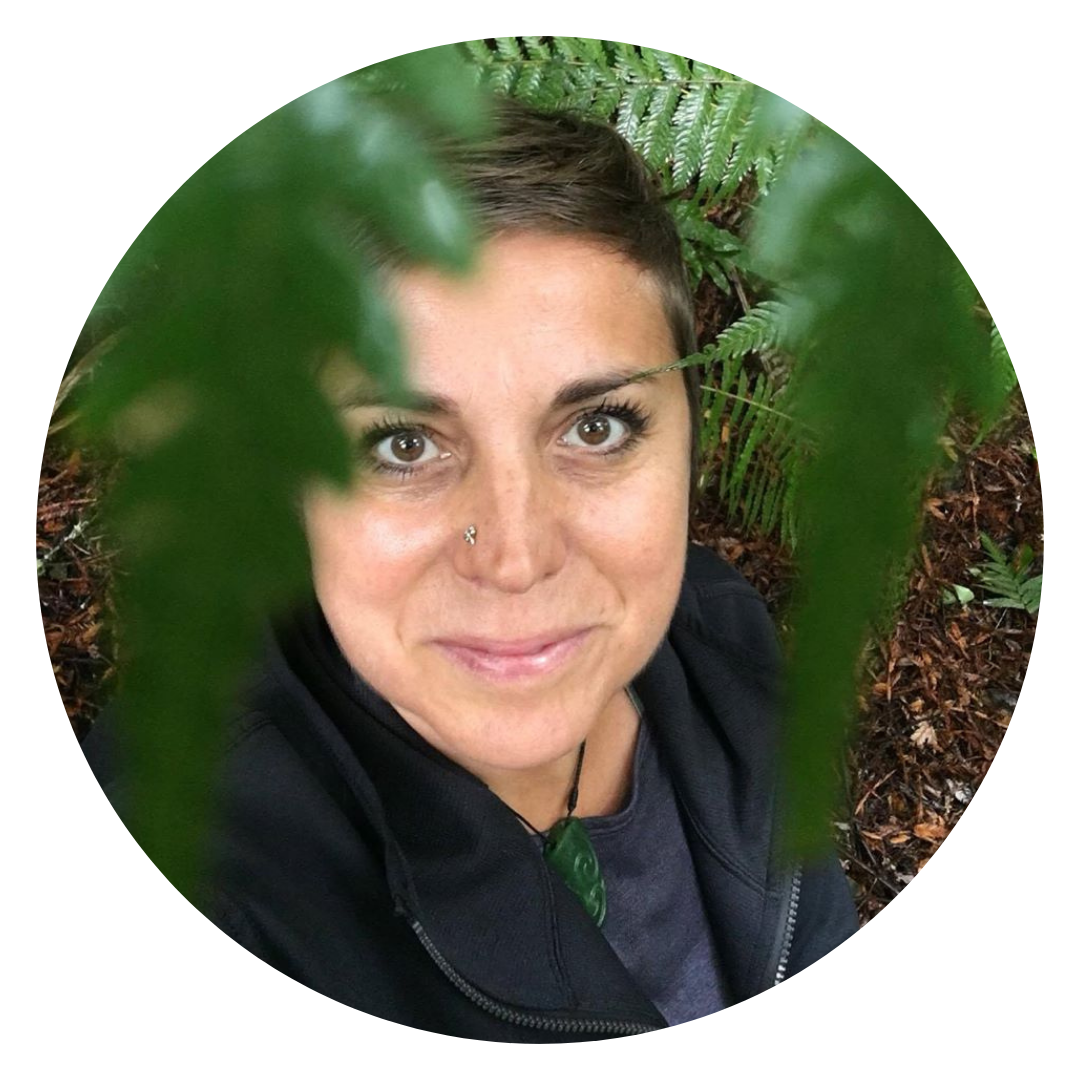
Sabrina Brando is a psychologist working at the intersection of animal, human, and planetary wellbeing since 1989. She served as the inaugural Director of Animal Welfare for WAZA and advises the AZA Animal Welfare Committee and ZAA Animal Welfare SAG. Her work spans animal welfare assessment, animal wellbeing, behaviour, environmental enrichment, and the human-animal relationship, alongside the occupational wellbeing of the people who care for animals - resilience, organisational culture, and the systemic conditions that allow professionals to flourish. Through the One Care approach, she works with institutions to build cultures of care rooted in the belief that wellbeing is inseparable across species and systems.
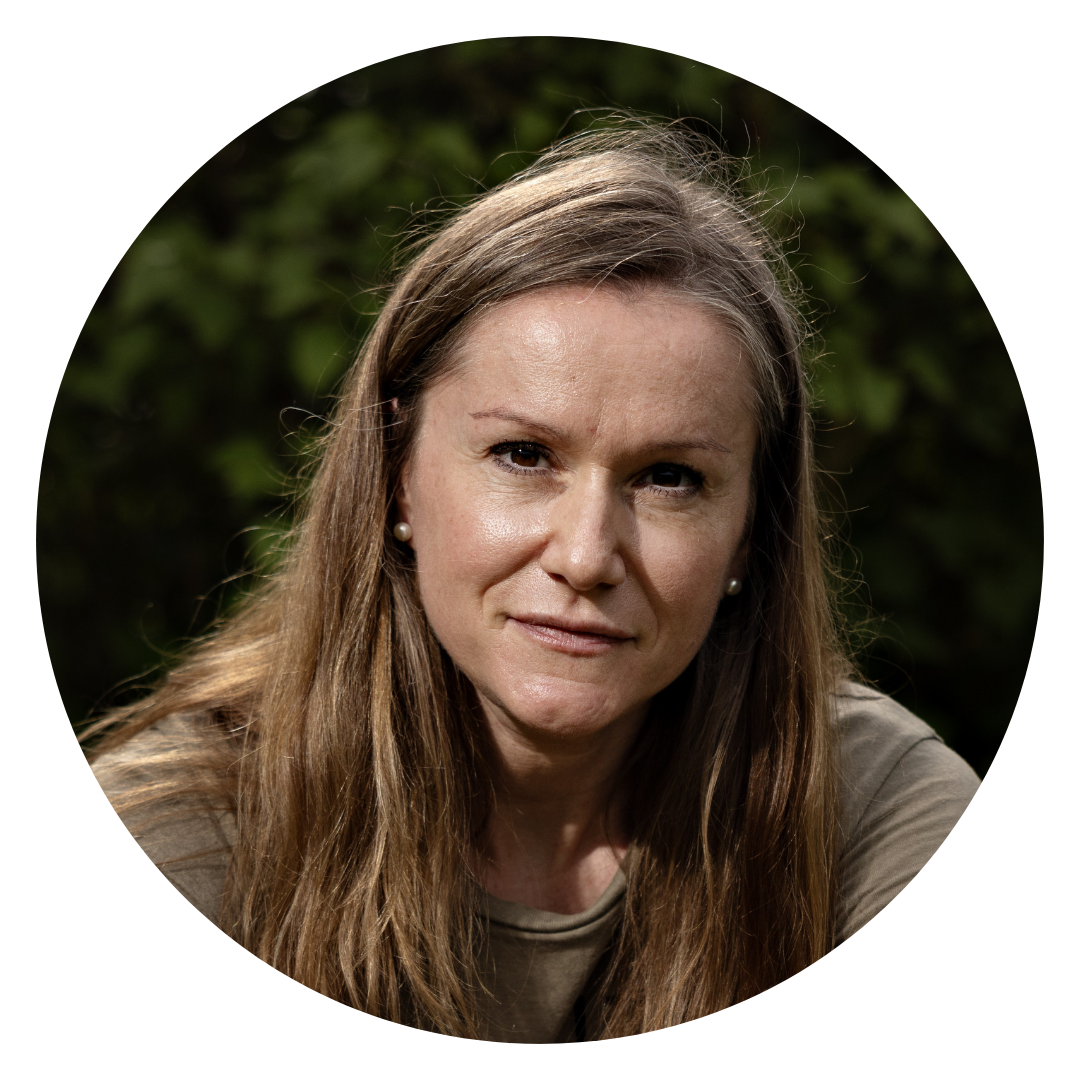
Malene Friis Hansen PhD
Malene is an interdisciplinary scholar and practitioner studying human-other-primate interfaces in Indonesia and Malaysia employing methods from Ethology, Ecology, and Ethnography. Her PhD is from Biology at the University of Copenhagen, and her postdoc years have been spent in Anthropology at Princeton University. Alongside her research on human-other primate coexistence and co-culture, she takes an active part in conservation initiatives through the IUCN PSG Section on Human-Primate Interactions and the LTM Project.

Jason Wark PhD
Jason Wark oversees the Animal Welfare Science Program at Lincoln Park Zoo, where scientists and animal care staff collaborate to evaluate and enhance animal wellbeing. He supervises an ongoing behaviour monitoring programme covering more than 35 species, working with care staff to translate data into actionable husbandry decisions.
Jason designed and launched ZooMonitor in 2015 — a free animal behaviour monitoring app now used by hundreds of zoos, aquariums, and sanctuaries worldwide. He continues to guide its strategic development and supports organisations building their behaviour monitoring capacity.
His research spans multi-institutional studies on giraffes and Asian small-clawed otters, as well as earlier work on colobus monkey thermoregulation, piranha social dynamics, and the effects of sound on callitrichid behaviour and hormones.
Cecilie Ravn Skovlund PhD
Cecilie is a postdoctoral researcher in animal behaviour and welfare at the University of Copenhagen and Copenhagen Zoo. She obtained her PhD from the University of Copenhagen in 2022, focusing on polar bear behaviour and welfare assessment in zoos.
Her research draws on ethology and animal welfare science to explore how animal behaviour can be used to assess and promote the welfare of animals under human care. Focusing on zoo animals and small companion animals, she works to develop scientifically robust yet practical animal-based welfare indicators.
Across her work, Cecilie aims to translate animal welfare science into practical tools and educational resources that support evidence-based decisions by animal care professionals and companion animal owners.
The animal care and welfare field is evolving to see animal caretakers in all their roles as professionals, especially worldwide, as we redefine who is ‘essential’. Building this professionalism through education, compassion, and advocacy is what AnimalConcepts does. It’s critical! Their workshops, seminars, and online platform bring us together in ways most other organisations don’t or can’t. What AnimalConcepts does is so important! Darren Minier, Director of Animal Welfare and Research, Oakland Zoo
FAQ Section
Q: Do I need prior experience in behaviour monitoring or research methods?
Not at all. The workshop is designed to guide participants step by step through behaviour monitoring, welfare assessment, and small-scale research design. Whether you are new to structured data collection or already experienced, you will gain practical tools that can be adapted to your animals, team, and organisational context.
Q: What if I can’t attend the full 2.5 days?
We strongly recommend attending the full workshop to fully benefit from the practical exercises, discussions, and collaborative sessions. If you must miss part of the program, materials and resources will be shared; however, some interactive and experiential components cannot be fully replicated afterward.
Q: Will I receive workshop materials?
Yes. All participants will receive workshop handouts, templates for behaviour monitoring and welfare assessment, and guidance for designing in-house research projects. These materials are intended to support continued application within your organisation.
Q: Can I register as part of a team?
Absolutely. In fact, we encourage it. When animal care staff, curators, researchers, and managers attend together, it strengthens shared understanding and makes implementation far more effective. Teams often leave with aligned goals and clearer next steps.
Q: Is there a certificate of attendance?
Yes. All participants will receive a certificate of attendance upon completion of the workshop.
Q: Can I pay in instalments?
Yes. Please reach out via the contact form, and we will be happy to discuss payment options.
Q: Is scholarship or financial support available?
Yes. A limited number of free and reduced-fee places are available. Please apply via the contact form.
Ready to elevate animal wellbeing research in your organisation?
Register & join
Join fellow animal care and other professionals in this transformative workshop and take home practical tools to make a lasting difference.
Price: Euro 275,00
Includes:
- Tea & coffee
- 60-minute webinar prior to the event
- All available resources & handouts
- 90-minute follow-up webinar to check in & help with next steps/questions
Please note: Lunch is not included. You are welcome to bring your own to eat outdoors/while exploring the Zoo, or purchase lunch to eat in 1 of the 2 restaurants on the Zoo's premises, or while exploring the Zoo in the break.
Hands down, this conference was the best I have attended in my 25+ years working with animals. I have followed Sabrina Brando for almost as long, and she delivered as always. The depth of her knowledge is amazing. Her compassion for animals and the people who work with them is inspiring and thought-provoking. Few people can teach animal and human wellbeing like Sabrina Brando! Runar
“Our job, as animal care staff, is to make sure that the animals in our care are provided with the best possible life each and every day." Dr Kirstin Anderson Hansen
Other organisations we've worked with


Purpose and values
We are committed to helping all people care for animals and for themselves

One Care
We are committed to animal and human wellbeing, for individuals and organisations

Diversity, Inclusion, & Equity
We are dedicated to creating a more diverse, equal, and inclusive world for all
Connect with us
Do you have a question? A suggestion or idea you want to share? Use the contact form we will get back to you shortly! You can also email us on sbrando(@)animalconcepts.eu
Contact us